
Does vaping cause fluid in the lungs? This question frequently arises when discussing e-liquid ingredients like vegetable glycerin (VG). However, answering it requires clarifying what is medically meant by “fluid in the lungs.” Fluid can accumulate in the pleural space surrounding the lungs, or it can build up directly within the lung tissue itself—and each condition has distinct physiological causes. Furthermore, evaluating a single isolated compound in e-liquid does not alone establish the overall pulmonary safety profile of inhaled aerosols.
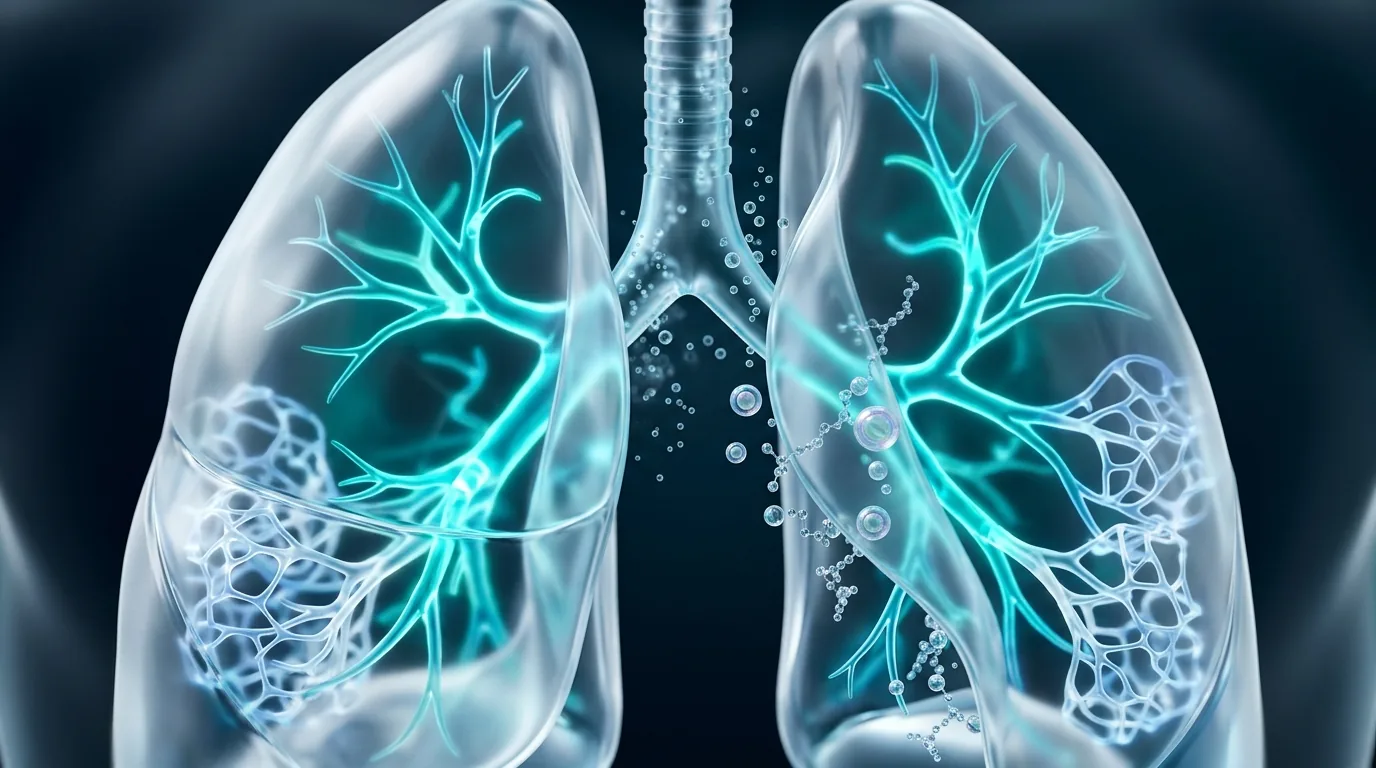
Fluid Around the Lungs Differs from Fluid Inside the Lungs
Pleural effusion refers to an abnormal buildup of fluid in the pleural space—the thin cavity between the lung and the chest wall. According to the National Heart, Lung, and Blood Institute (NHLBI), common underlying causes include congestive heart failure, kidney disease, malignancies, autoimmune conditions, pulmonary infections (such as pneumonia), and chest trauma. Consequently, detecting a pleural effusion requires a thorough clinical workup to identify the true systemic or local etiology, rather than relying on informal colloquial descriptions. [1]
Pulmonary edema, in contrast, occurs directly inside the lung tissue when excess fluid collects within the alveoli (air sacs), severely impairing oxygen exchange. Mayo Clinic clinical guidelines note that cardiovascular conditions—particularly congestive heart failure—are among the most frequent causes. Non-cardiogenic causes include acute lung injury, severe systemic infections, toxic inhalation, certain medications, and acute high-altitude exposure. Acute pulmonary edema can develop rapidly and constitutes a medical emergency requiring immediate intervention. [2]
This anatomical and physiological distinction fundamentally shifts how anecdotal claims should be evaluated. An assertion that “someone who vapes developed fluid in their lungs” leaves vital clinical questions unanswered: Where exactly was the fluid situated? What was the definitive clinical diagnosis? And what other underlying medical conditions, occupational exposures, or substance histories did the physician investigate? A temporal coincidence between e-cigarette use and disease onset does not prove clinical causality on its own.
What Does the Evidence Say About Vegetable Glycerin (VG)?
The Vaping Post article published on June 3, 2026 addresses claims that vegetable glycerin causes fluid buildup around the lungs, citing a physician perspective from Dr. Mahmoud Al-Batanony noting that pure glycerin is not recognized as a direct medical cause of pleural effusion. The source discussion is featured in the video embedded below.
However, this clinical distinction must be understood within its proper context: refuting an unsupported claim about glycerin causing pleural effusion does not mean inhaled aerosolized e-liquids are completely inert or without respiratory effects. Crucially, the fact that a substance holds “Generally Recognized as Safe” (GRAS) status for ingestion in food or oral pharmaceutical formulations cannot be extrapolated to prove safety when heated and inhaled into the delicate pulmonary tract.
Original Video: Clinical Discussion on “Fluid on the Lungs”
The broadcast video below, aired by eXtra news, is the source feature referenced in the discussion. It provides an introductory clinical overview of the topic for media audiences; direct clinical literature remains essential when evaluating medical assertions.
EVALI Lung Injuries: What Did Investigations Establish?
Between 2019 and 2020, health authorities across the United States investigated a nationwide outbreak of e-cigarette or vaping use-associated lung injury (EVALI). According to the CDC’s updated outbreak summary, the vast majority of cases were strongly linked to illicit THC-containing vape cartridges obtained from informal sources, with laboratory findings identifying vitamin E acetate as the primary toxic culprit. [3]
A landmark MMWR laboratory report led by Blount et al. confirmed the presence of vitamin E acetate in bronchoalveolar lavage (BAL) fluid samples obtained from 29 evaluated patients across multiple states. However, this finding reflected an outbreak investigation focused primarily on illicit additives, rather than a universal test of all standard regulated commercial e-liquids and hardware. [4]
Moreover, the CDC maintained a critical scientific caveat: existing evidence was insufficient to rule out the contribution of other chemicals or toxic compounds, whether present in THC products or nicotine-only devices. Therefore, it is clinically inaccurate to reduce every vaping-related respiratory incident to a single ingredient, or to treat the resolution of the EVALI outbreak as an absolute safety clearance for all other inhaled formulations. [3]
When Should You Seek Emergency Medical Attention?
Sudden or severe shortness of breath, a feeling of suffocation or air hunger, and a cough producing pink, frothy, or blood-tinged sputum are alarming clinical red flags that require immediate emergency medical care. Persistent or progressively worsening respiratory difficulty also warrants timely medical evaluation without delay. [2]
If you use vaping products and experience acute or worsening respiratory symptoms, provide your healthcare provider with complete details regarding the specific device, liquid type, nicotine strength, and any third-party or unauthorized additives used, while immediately discontinuing use pending clinical assessment. This article is intended for educational purposes only and should never replace professional medical diagnosis, diagnostic imaging, or physician care.
References and Reading Links
- NHLBI: Pleural Disorders Causes and Risk Factors.
- Mayo Clinic: Pulmonary Edema — Symptoms and Causes.
- CDC: Outbreak of Lung Injury Associated with E-Cigarette Use (EVALI) Summary (Archived).
- Blount et al., MMWR (2019): Evaluation of Bronchoalveolar Lavage Fluid from EVALI Patients.
For attribution transparency, the core question in this piece was inspired by Vaping Post’s editorial coverage. Below are the reading links referenced in their publication for context (editorial background rather than peer-reviewed clinical trials): Vegetable Glycerin Definition, E-liquid Composition, Previous Editorial on Fluid in the Lungs, and the Vape Science & Research section.
General educational material published on Vape Sub Zero. This does not constitute medical advice or an endorsement of e-cigarette use.